Buying Guides
Induction Range Cooker: Check Your Cooker Circuit First

By the Hill & May team
Updated 2026
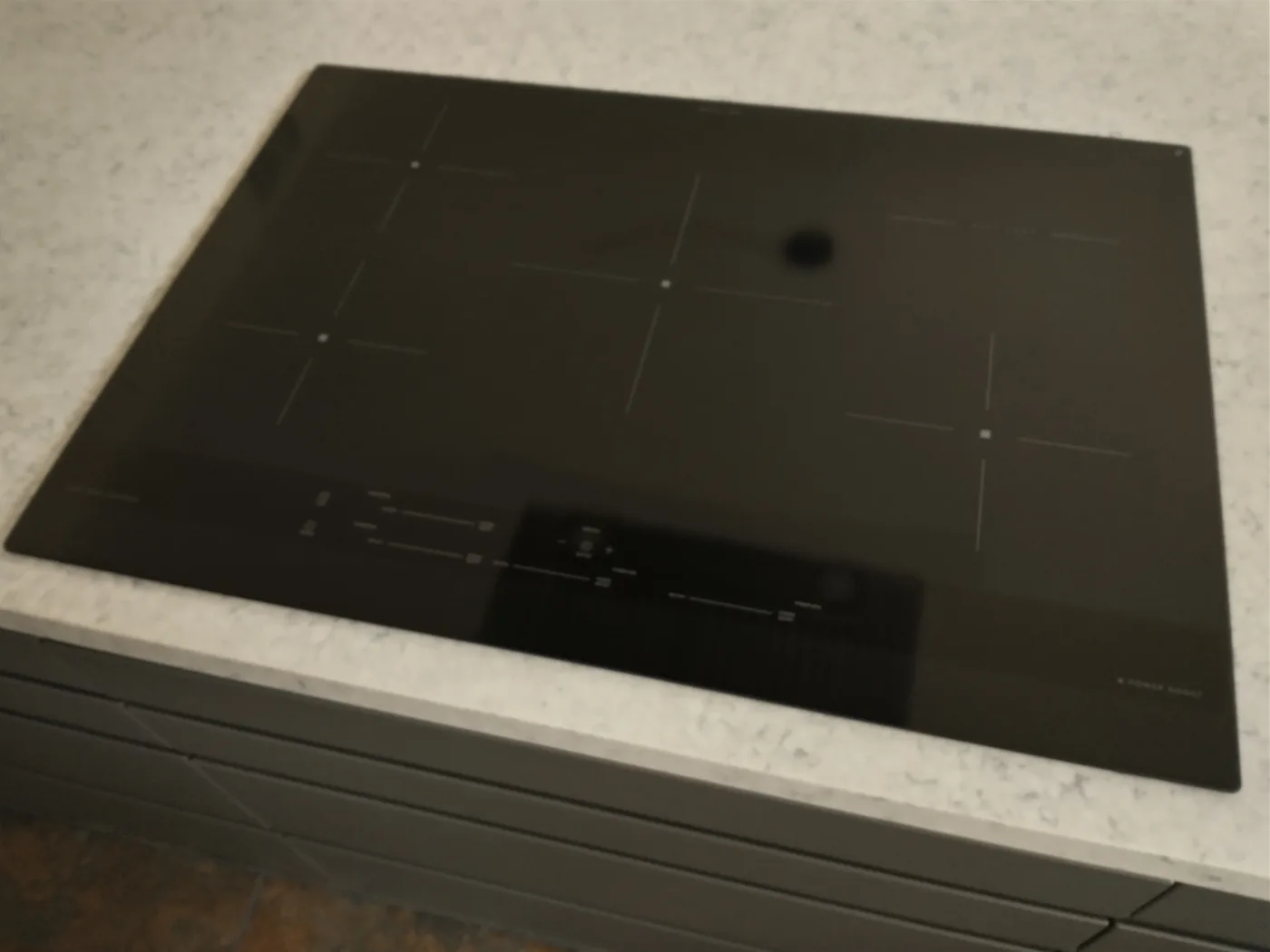
The most common way an induction range cooker purchase goes wrong in a British kitchen has nothing to do with the cooker. It is the circuit behind it. Swap a dual fuel 110cm for an induction 110cm and you have moved four or five gas burners onto the electrical supply, on a wire that was sized for ovens and a grill. Plenty of people discover this on delivery day, with the old cooker already gone.
So this guide starts with the supply, then covers pans, then the things that genuinely differ between models. Get the first two right and the third is mostly preference.
Start with the cooker circuit
Rangemaster’s own installation guidance is a good benchmark because it covers the widest range of British range cooker sizes. For ceramic and induction models it says a 6mm cable on a 32 amp breaker may be suitable, provided the isolator switch does not incorporate a 13 amp socket. It then recommends 10mm cable on a 45 amp breaker to give greater flexibility, which in practice means being able to run the hob and both ovens hard at once without nuisance tripping.
Two things follow from that.
First, the manufacturer’s minimum and the sensible specification are not the same number. A 110cm induction range can have a maximum connected load well into double-figure kilowatts. Diversity calculations mean the circuit does not have to carry all of it simultaneously, which is why a 32 amp circuit can be compliant, but “compliant on paper” and “never trips on Christmas Day” are different standards.
Second, the isolator matters. If your existing cooker switch has a 13 amp socket built into it, that socket adds load to the same circuit and changes the calculation. A lot of older British kitchens have exactly that fitting.
Rangemaster is explicit that it cannot give a definitive answer remotely, because the correct cable and breaker depend on what else is on the circuit and what the run looks like. That is right, and it is the honest position: this is a job for a qualified electrician working to BS 7671, notified under Part P where a new circuit is involved. Use our cooker cable size calculator to get a working idea of what you are dealing with before you call one, and check the guidance on domestic electrical work from Electrical Safety First.
Ask the electrician one specific question when they visit: is there spare capacity in the consumer unit, and is the existing cable run long enough and large enough, or does it need replacing? Replacing a buried cable run across a kitchen is the expensive answer, and you want to know it before you order.
Your pans decide whether this works
Induction heats the pan itself through a magnetic field, so the pan base has to be ferromagnetic. Cast iron and most stainless steel work. Aluminium, copper, brass, glass and ceramic do not, unless the manufacturer has bonded an induction-compatible disc into the base.
The test takes ten seconds. Hold a fridge magnet against the base of the pan. If it grips firmly, the pan will work. If it slides off or holds weakly, it will not, or it will heat unevenly. Many induction-ready pans also carry a symbol on the base that looks like a coil of wire in four loops.
Do this before you buy the cooker, not after. Replacing a full set of pans is a real cost that rarely appears in the budget, and a favourite copper pan is not going to survive the transition.
One more pan detail that catches people out: base diameter. Induction zones only detect a pan above a minimum size, so a small milk pan or a narrow espresso pot may simply not register on a large zone. Check the minimum detection diameter in the specification if you use small pans regularly.
What actually differs between induction range cookers
Once supply and pans are settled, these are the specification lines worth reading:
Zone layout and bridging. Better hobs let you combine two zones into one long cooking area for a griddle or a fish kettle. On a 110cm range this is genuinely useful. On a 90cm it is often the difference between fitting a roasting tin on the hob and not.
Boost and power sharing. Almost every induction hob shares power between paired zones, so using boost on one zone quietly reduces the maximum available on its partner. If you routinely cook on four pans at once, look for how the zones are paired rather than at the headline boost figure.
Oven configuration. This is where range cookers differ far more than the hobs do. Two ovens plus a separate grill, one large multifunction oven, a dedicated slow oven: the choice depends on how you cook, and it is covered in more detail in our range cooker buying guide. Size-specific picks are in best 90cm range cookers, best 100cm range cookers and best 110cm range cookers.
Hob surface and edges. A flush or bevelled edge is easier to wipe than a raised metal trim. Induction glass is easy to clean because the surface itself does not get hot enough to bake spills on, but sugar boiling over onto hot glass still needs dealing with immediately.
Residual heat and noise. Induction zones warm from the pan, so the surface is hot after cooking and indicators tell you so. The cooling fan runs during and after use, and some models are noticeably louder than others. If your kitchen is open plan, this is worth checking in a showroom.
Running costs and the 2027 question
Induction is more efficient than gas at getting energy into the pan, but British electricity costs considerably more per unit than gas, so the sums are closer than the efficiency figure suggests. Our range cooker running cost calculator works it out on your own tariff rather than an average.
The regulatory direction is worth knowing if you are planning a kitchen you intend to keep. The Future Homes Standard comes into force on 24 March 2027, with a transitional period running to 24 March 2028, after which new homes in England will not be connected to the gas network. That does not affect an existing home, and there is no ban on the gas hob you already own. It does mean gas is a shrinking option for new build, and that resale buyers in newer properties will increasingly expect electric cooking.
For the comparison in the other direction, see our dual fuel range cooker guide and gas cooker buying guide.
The order to do this in
- Check your existing cooker circuit: cable size, breaker rating, and whether the isolator has a 13 amp socket in it.
- Get an electrician to confirm what the circuit will support and what an upgrade would involve.
- Magnet-test your pans and budget for replacements.
- Measure the aperture, including depth and the door swing, then choose the width.
- Only then compare models on zones, ovens and finish.
Doing it in that order means the worst news arrives while you still have a working cooker.
Frequently asked questions
What electrical supply does an induction range cooker need? Rangemaster’s guidance for ceramic and induction models is that 6mm cable on a 32 amp breaker may suit, provided the isolator has no 13 amp socket, with 10mm cable on a 45 amp breaker recommended for flexibility. The correct answer for your kitchen depends on the circuit, so have a qualified electrician confirm it.
Can I replace a dual fuel range cooker with induction on the same circuit? Sometimes, but do not assume it. A dual fuel cooker puts its hob load on the gas supply. Moving to induction transfers all of that onto the electrical circuit, which may need a larger cable, a larger breaker or both.
Which pans work on an induction range cooker? Cast iron and most stainless steel. Aluminium, copper, brass, glass and ceramic do not work unless a magnetic base has been bonded on. Test with a fridge magnet: if it grips firmly, the pan works.
Why does my induction hob lose power on one zone when I boost another? Zones are paired and share a power budget. Boost on one zone draws from the pair, reducing the maximum available on the other. Check how the zones are paired if you often cook with several pans at full heat.
Is an induction range cooker cheaper to run than gas? Induction puts more of the energy into the pan, but electricity costs more per unit than gas in the UK, so the saving is smaller than the efficiency gap implies. Work it out on your own tariff rather than on a national average.
Will gas hobs be banned in the UK? Not in existing homes. The Future Homes Standard takes effect on 24 March 2027 with a transition to 24 March 2028, after which new homes in England will not be connected to the gas network. Cookers already installed are unaffected.