Buying Guides
Gas Hob Buying Guide: Choosing the Best Gas Cooker Hob for a Range

By the Hill & May team
Updated 2026
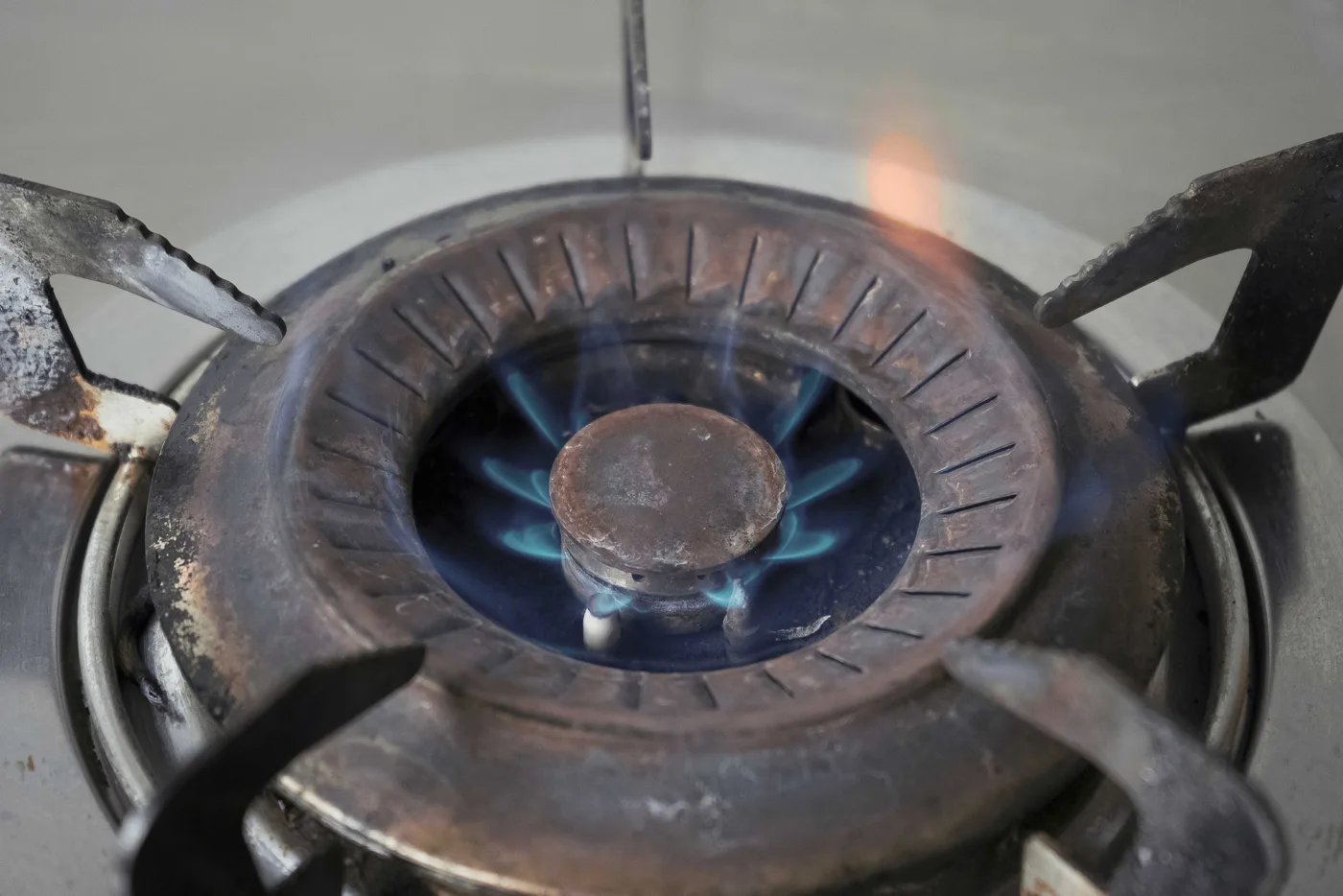
The gas cooker hob is the part of a range cooker you touch every single day, so it repays a bit of thought before you buy. On a range, the hob is not a bolt-on: the burner layout, the pan supports and the safety gear are built into the top plate, and they decide whether the cooker feels like a joy or a chore. This guide is for anyone choosing a gas range and stove for a British kitchen and wondering how many burners they really need, whether a wok burner earns its space, and what separates a good hob from a frustrating one.
We name only features and configurations you will find on current UK models, and we leave prices out because they move week to week. Check the current price at the retailer when you are ready to buy.
How many burners do you actually need?
Range cooker hobs come in 90cm, 100cm and 110cm widths, and the extra width mostly buys you more burners and more room between pans. A 90cm range typically carries five burners; the wider 100cm and 110cm models often add a sixth, or a griddle plate, in the space between.
Four burners cook a normal weeknight dinner without drama. The case for a five burner gas hob, or six, is not that you use them all at once, it is spacing: you can run a stockpot, a frying pan and a milk pan side by side without the handles clashing. If you regularly cook for a full table, that breathing room is the single most useful thing the wider hob gives you. If you cook for one or two, a five burner gas cooker hob on a 90cm range is plenty, and the money is better spent on the ovens.
The wok burner: useful or marketing?
Most range hobs put a high-output burner in the centre, usually badged as a wok burner or a multi-ring burner. It is genuinely useful, and not only for stir-frying. A burner rated around 4kW or higher gives you concentrated heat for searing a steak, getting a wok properly hot, or bringing a large pan of water up to the boil far faster than a standard 2kW burner manages.
If you stir-fry often, or you cook big batches, the wok burner is the one to prioritise. If you never own a wok, do not dismiss it: the same burner is what you want under a heavy casserole or a jam pan. The only caveat is the pan support. A proper wok burner should come with a stable, wide support or a supplied wok cradle, because a round-based wok needs a secure seat over the flame.
Cast iron pan supports are worth insisting on
This is the detail that separates a hob that ages well from one that irritates you. Cast iron pan supports are heavy, so they stay put when you slide a pan across them, they sit flush so pans do not rock, and they shrug off years of heat without warping. Cheaper enamelled steel supports feel light, shift when you move a pan one-handed, and can chip.
On a range cooker, cast iron supports are close to standard, but check they are a proper matt cast finish and, ideally, dishwasher-safe, because you will lift them off to clean the hob far more than you expect. This is one area where a range genuinely beats most freestanding cookers.
The safety feature that is non-negotiable
Every gas hob sold in the UK must have a flame supervision device, sometimes called a flame failure device, on each burner. It is a small probe that senses the flame; if the flame blows out, from a draught, a pan boiling over, or a child’s hand, it cuts the gas to that burner within seconds. Never buy a second-hand hob that lacks one, and if you are keeping an old range, this is the feature to confirm still works.
Gas is also a job for a registered installer. A range cooker hob must be connected by a Gas Safe registered engineer, not fitted DIY. The official Gas Safe Register lets you check an engineer’s credentials before they touch your kitchen.
Gas, or should you look at induction?
Gas keeps its loyal following for good reason: instant, visible heat you control by eye, and it works with any pan. But it is worth being honest that many buyers now pair a range’s gas hob against an induction top before deciding. Gas wins for wok cooking, long simmering and cooks who trust a flame; induction wins on speed, a wipe-clean flat surface and precise low heat. Plenty of dual-fuel ranges settle the argument by giving you a gas hob over electric ovens, which is the most popular configuration in Britain for a reason. Our dual-fuel range cooker guide explains why that pairing is so common, and the gas cooker buying guide covers freestanding models if a full range is more than you need.
Brands worth shortlisting for gas range hobs include Rangemaster, which designs and builds its 90, 100 and 110cm cookers in Leamington Spa, along with Stoves, Bosch, Smeg and Falcon. Compare the burner layout on paper, but if you can, see the hob in person and lift a pan support before you commit.
Frequently asked questions
How many burners should a range cooker gas hob have? A 90cm range usually has five burners, which suits most households; 100cm and 110cm models often add a sixth or a griddle. Four burners cook a normal dinner, but five or more give you the spacing to run several large pans without the handles clashing.
Is a wok burner on a gas hob worth it? Yes, for most cooks. The high-output central burner, usually around 4kW or more, heats a wok, sears meat and boils water far faster than a standard burner. Even if you never use a wok, it is the burner you want under a heavy casserole or a large pan.
Do all gas cooker hobs have a flame failure device? Every new gas hob sold in the UK must have a flame supervision (flame failure) device on each burner, which cuts the gas if the flame goes out. Older second-hand hobs may lack one, so always check before buying used.
Are cast iron pan supports better than enamel? Yes. Cast iron supports are heavier, so pans do not rock or slide, and they resist warping from heat over years of use. Lighter enamelled steel supports shift when you move a pan one-handed and can chip.
Can I fit a gas hob or range cooker myself? No. A gas hob or range cooker must be connected by a Gas Safe registered engineer. Fitting gas appliances yourself is unsafe and against the regulations; always check the installer on the Gas Safe Register first.