Buying Guides
Dual Fuel Range Cooker: Gas Hob, Electric Oven, Is It Worth It?

By the Hill & May team
Updated 2026
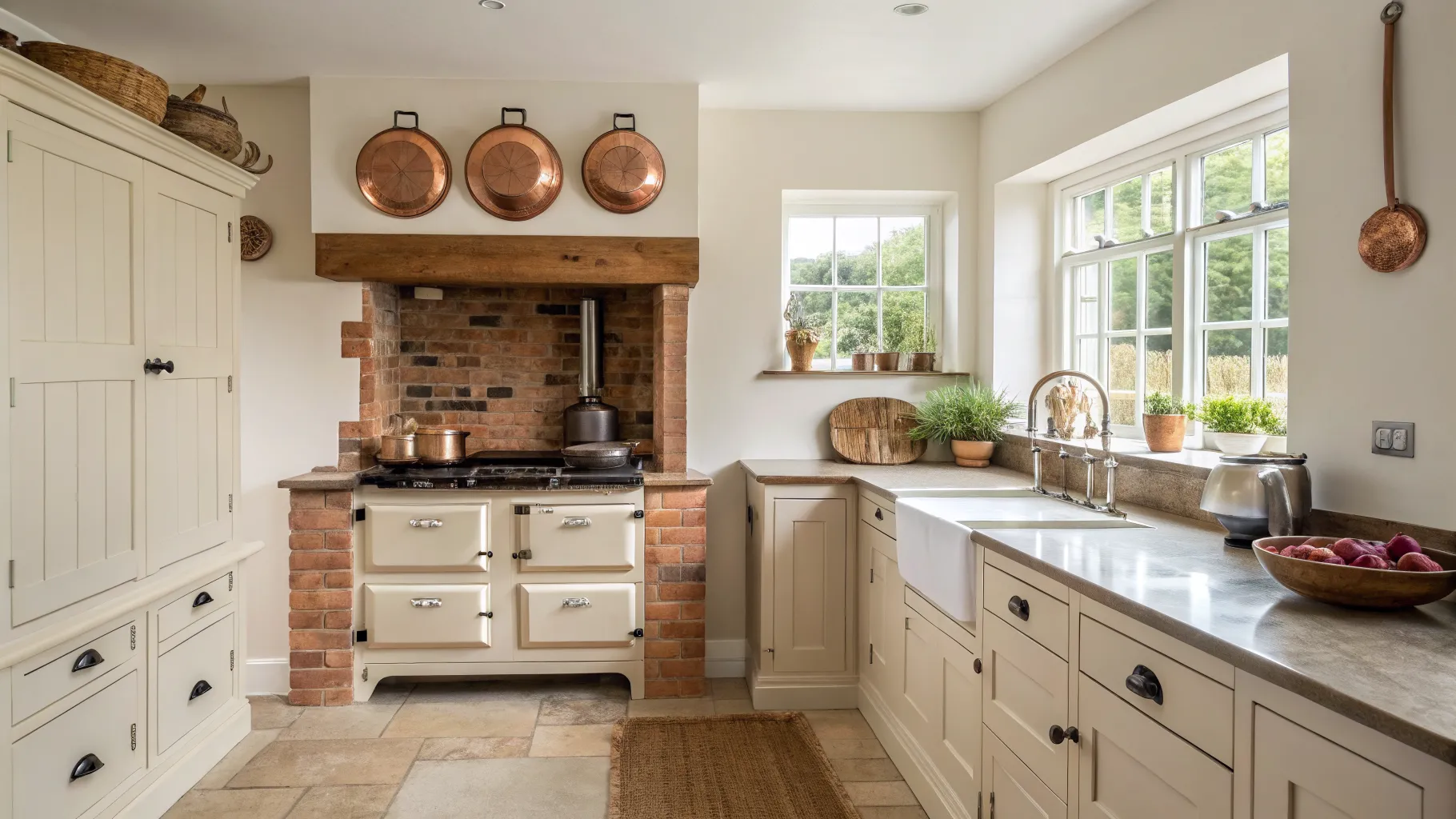
A dual fuel cooker is the classic compromise for a British country kitchen: the instant flame of a gas hob on top, the even, reliable heat of an electric oven below. For years it was the default choice for serious home cooks who wanted the best of both worlds. But with induction hobs now genuinely excellent and energy prices front of mind, the honest question is whether dual fuel is still worth it, or whether it has been quietly overtaken. This guide explains exactly what you get, where it shines, where it falls short, and who it actually suits.
What a dual fuel range cooker is
A dual fuel cooker pairs gas burners on the hob with a fan-assisted electric oven underneath. The hob behaves like any gas hob: an open flame you control by eye. The oven uses an electric element to heat the cavity and a fan to circulate that heat, which is what gives it such even results. “Dual fuel” simply means the two cooking surfaces run on different energy sources, and it is the most popular configuration in range cookers for exactly that reason.
You will find dual fuel range cookers most commonly in 90cm, 100cm and 110cm widths, with smaller 60cm and larger 120cm-plus options around the edges. A 90cm model is the sweet spot for many kitchens: it gives you twin ovens, a separate grill and a five-zone hob without dominating the room the way a 110cm can.
The case for dual fuel
The appeal is that each half plays to its strength.
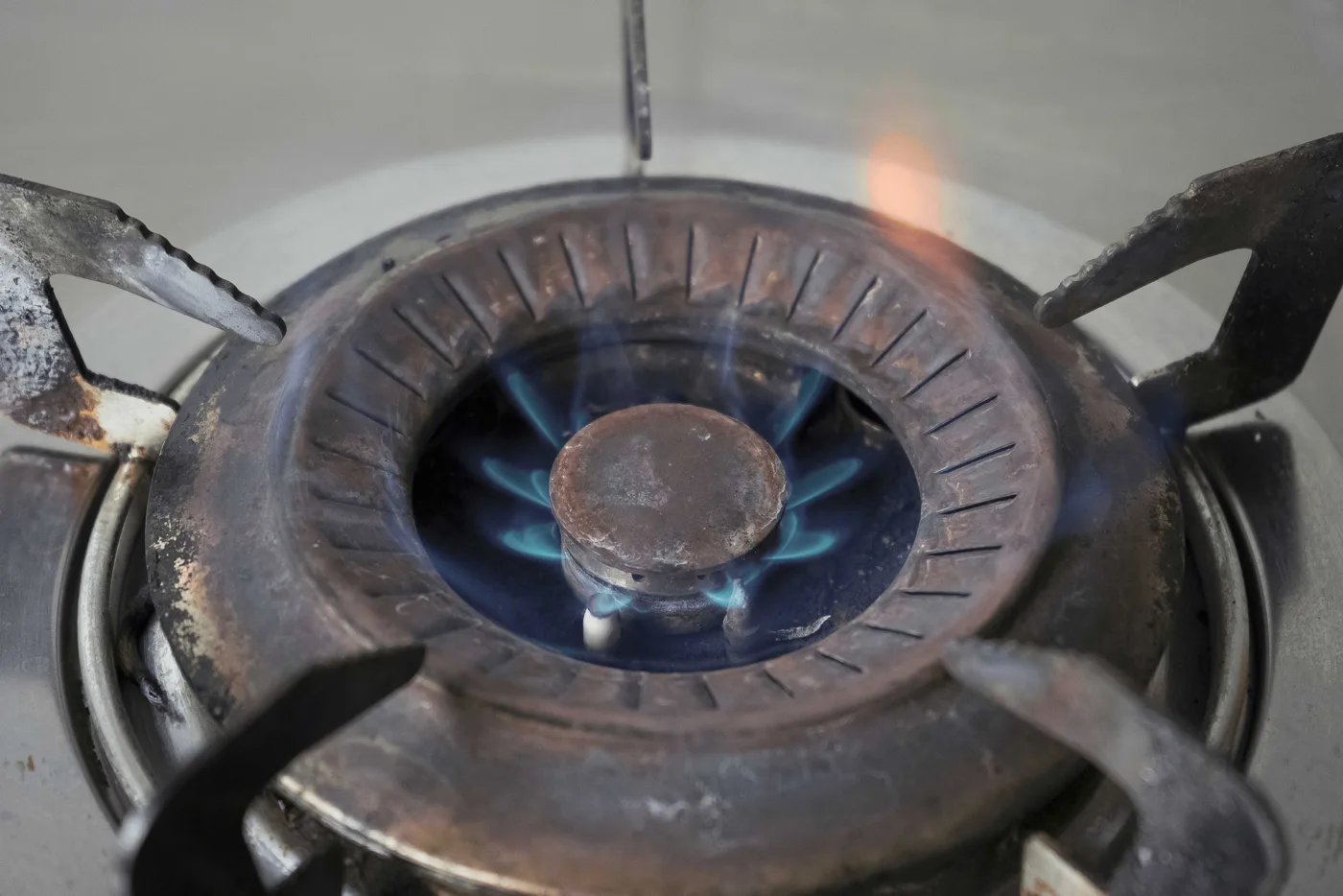
Responsive hob control. Gas responds instantly. Turn the flame down and the heat drops within seconds, which matters for anything you cook by feel: reducing a sauce, holding a gentle simmer, searing then backing off. Many cooks simply prefer the visual feedback of a flame.
Even, dependable baking. The fan-assisted electric oven circulates hot air so every shelf holds a consistent temperature. That is a real upgrade over a gas oven, which tends to run hotter at the top, and it transforms baking, roasting and batch cooking where even heat is the whole game.
Versatility. A dual fuel range suits a household that does a bit of everything: weeknight stir-fries on the flame, weekend baking in the oven, a Sunday roast with the grill and both ovens in play. If your cooking is varied, this setup rarely lets you down.
The drawbacks to weigh
Dual fuel is not the obvious winner it once was, for three reasons.
It tends to cost more. Dual fuel range cookers usually sit at the pricier end compared with all-gas or all-electric equivalents, and running two fuel types has its own quirks. Always check current pricing, as it varies widely by brand and size.
Installation is more involved. You need both a gas connection and a suitable electrical supply, and the gas side must be fitted by a Gas Safe registered engineer. That can make installation more complex and more expensive than a single-fuel cooker, especially if your kitchen is not already set up for both. You can check an installer’s credentials on the Gas Safe Register.
The hob is the least efficient part. A gas hob loses a lot of its heat to the surrounding air. According to the Energy Saving Trust, induction is the most efficient hob technology, converting roughly 84% of its energy into cooking heat against around 40% for gas. So while a high-rated electric oven can be efficient, the gas hob drags the overall figure down.
Dual fuel vs all-electric induction
This is the comparison that matters most in 2026, because induction has changed the maths.
Induction wins on efficiency and speed. It heats the pan directly using an electromagnetic field, boils water remarkably fast, and only warms the pan rather than the kitchen, which also makes it safer around children and easier to wipe clean. The trade-offs are that it needs induction-compatible pans and a robust electrical supply, and top models are not cheap.
Dual fuel wins on hob feel. Gas gives you that instant, visual, tactile control that many experienced cooks trust more than a glass surface, and it works with any pan you already own. If you have cooked on gas for years and love it, that familiarity is a legitimate reason to stick with it.
The honest verdict: if you are choosing purely on running cost and hob performance, an all-electric induction range is the more modern, efficient pick. Choose dual fuel because you genuinely prefer cooking on a flame and want an even electric oven with it, not by default.
So, is a dual fuel cooker worth it?
It is worth it if you are a keen, varied cook who values flame control on the hob and even heat in the oven, and you are happy to pay a little more to get both. It is less compelling if your priority is efficiency and low running costs, where induction has pulled ahead. Think about how you actually cook rather than how you imagine you cook: if the hob is where your skill lives, dual fuel earns its place; if you mostly boil, fry and reheat, induction will likely serve you better for less.
For a closer look at specific ranges, see our Rangemaster cookers guide, and browse our other kitchen buying guides as you plan the wider room.
Frequently asked questions
What is a dual fuel cooker? A dual fuel cooker combines a gas hob with a fan-assisted electric oven. The two cooking surfaces run on different energy sources, giving you the instant flame control of gas on top and the even, circulated heat of an electric oven below. It is the most common configuration in range cookers.
Is a dual fuel range cooker worth it? It is worth it for keen cooks who want responsive gas hob control paired with an even electric oven for baking and roasting, and who do a bit of everything. It is less worthwhile if your main concern is efficiency and running cost, where an induction range now performs better.
Is dual fuel better than induction? Neither is simply better. Induction is more efficient, faster to boil and safer, but needs compatible pans. Dual fuel offers the instant flame control many cooks prefer and works with any pan. Choose induction for efficiency, dual fuel for the feel of cooking on gas.
What size dual fuel range cooker should I buy? Dual fuel range cookers come mainly in 90cm, 100cm and 110cm widths. A 90cm model is a popular choice, offering twin ovens, a separate grill and a five-zone hob while fitting kitchens where a 100cm or 110cm would be too big. Measure your space and allow for ventilation.
Does a dual fuel cooker need a Gas Safe engineer to install? Yes. The gas hob must be connected by a Gas Safe registered engineer, and you also need a suitable electrical supply for the oven. This makes installation more involved than a single-fuel cooker, so factor in professional fitting when you budget.
Is a dual fuel cooker cheaper to run than an electric one? Not necessarily. The electric oven can be efficient with a high energy rating, but the gas hob is the least efficient part, converting far less of its energy into cooking heat than induction. Overall running cost depends on your tariffs and how you cook.