Aga Cookers
How to Clean an Aga: What to Use on Each Part, and What Not

By the Hill & May team
Updated 2026
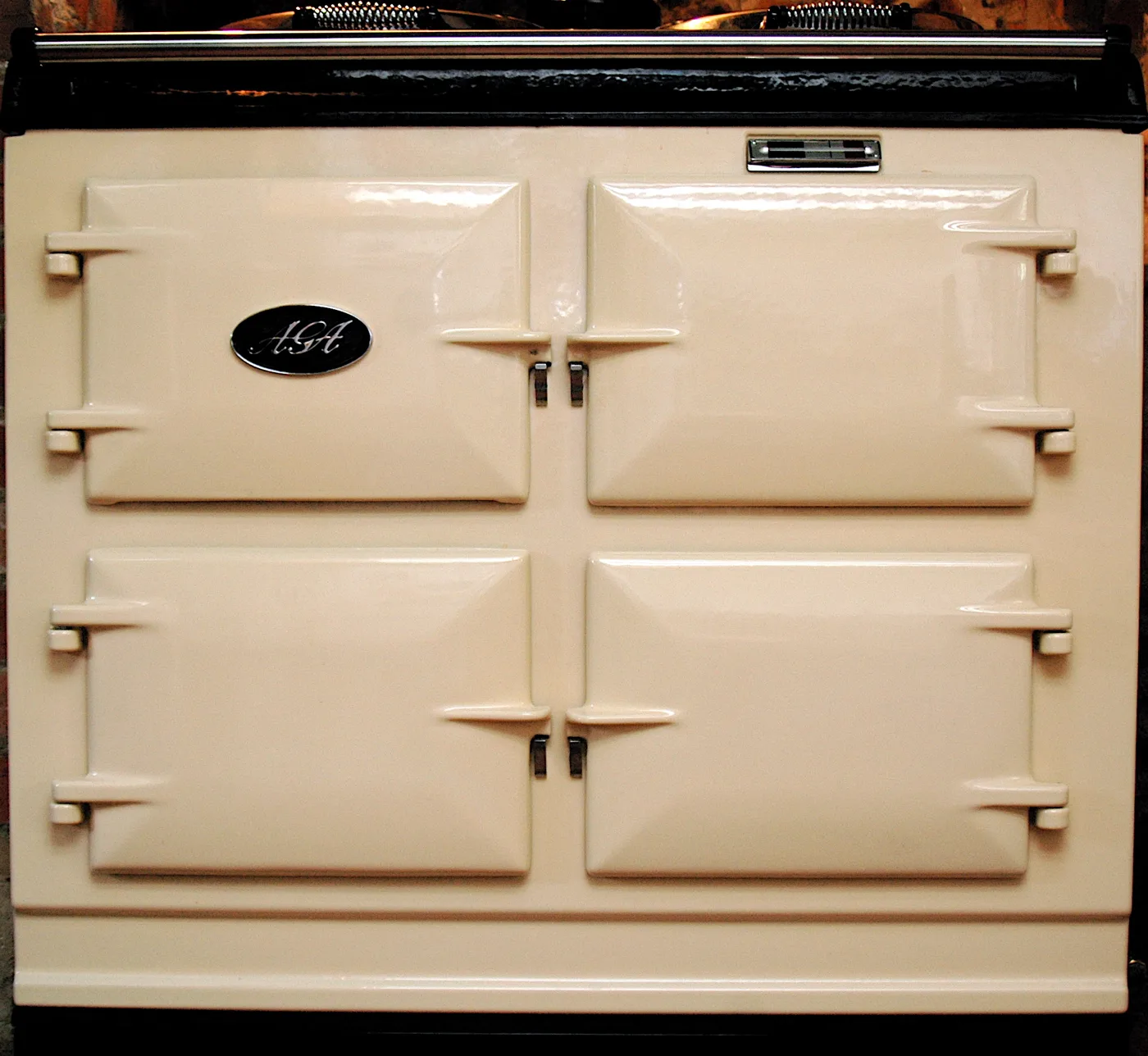
Learning how to clean an Aga is mostly learning what to leave alone. The cast-iron ovens largely clean themselves, because the heat carbonises spills into ash you brush out. The parts that need care are the vitreous enamel, which scratches and stains, and the insulated lids and doors, which are packed with insulation and must never be soaked. Get those two right and an Aga will look smart for decades.
Everything below comes from AGA’s own owner’s manuals for the traditional heat-storage cookers and the newer electric models such as the R7, quoted where the wording matters. Your model’s manual has the final say, so check it if anything here differs.
Before you start: switch off where you can
AGA’s manuals tell you to turn the appliance off for most cleaning, and older manuals say to “switch off at the main isolators” first. On a programmable or electric Aga that is easy: clean when the plates and ovens are cold. On an always-on gas or oil Aga you will be cleaning a warm cooker most of the time, which is fine for a daily wipe of the enamel, but do the hotplate lid linings when the hotplate is cold, and use as little water as possible on everything.
The products AGA names, and the ones it bans
Use: - A damp, soapy cloth and a clean dry cloth, for everyday enamel care. - A Vitreous Enamel Association (VEA) approved cleaner such as AGA Enamel Cleaner, or a mild cream cleaner, for baked-on marks. - A nylon scouring pad, if needed, on baked-on food on the enamel. - The wire brush supplied with the cooker, for the hotplates and the cast-iron ovens. - AGA E-cloths or AGA Stainless Steel and Chrome Cleaner, for the lid tops. - A soap-impregnated pad or cream cleanser, for the lid and door linings.
Never use, in AGA’s own words: “abrasive pads, caustic cleaners, oven cleaners or metal scrapers” on the enamel, and “DO NOT use a steam cleaner to clean this cooker.” On models with an induction hob, the manual adds: “DO NOT USE HOB BRITE ON ENAMELLED SURFACES.”
How to clean the enamel top and front
- Mop up spills as they happen. AGA calls this the easiest way to keep the top plate and front plate clean. Milk, fruit juice and anything acidic must be wiped up straight away: acid etches vitreous enamel and leaves a dull patch that no cleaner will lift.
- Daily: “a daily rub over with a damp, soapy cloth followed immediately with a clean, dry cloth to avoid streaks.” The dry cloth is what stops the smears.
- Baked-on food: a VEA-approved enamel cleaner or mild cream cleaner, with a nylon scouring pad if it will not shift. Let the cleaner work rather than scrubbing hard.
- Watch the oven doors: the R7 manual warns that condensation streaks running down from around the oven doors can permanently discolour the enamel. Wipe them off when you see them.
The top plate and the polished lids “will scratch if pans or utensils are dragged across them.” Lift pans, never slide them.
How to clean the hotplates
The boiling and simmering plates are bare cast iron and keep themselves fairly clean: spills burn off on the hot surface. Brush off any charred bits with the wire brush supplied with the cooker. Do this when the plate is cold if your Aga can be switched off; on an always-on Aga, brush carefully with the lid fully raised.
Cast iron rusts if moisture is left on it, so never leave a wet cloth or a dripping kettle on a cold plate. If light rust does appear, brush it off with the wire brush and put the cooker back on to dry the surface.
How to clean the hotplate lids
The lids have two parts, and they need different treatment.
- The outside, chrome or stainless steel: wipe with a damp cloth and polish dry, using an AGA E-cloth or AGA’s stainless steel and chrome cleaner. Older manuals say to use a “NON-ABRASIVE mild detergent”. Do not use anything gritty: the polished surface scratches easily.
- The lining inside the lid, which gets fat splashes from frying: clean only when the hotplate is cold. Use hot soapy water, a cream cleanser, or a soap-impregnated pad in a circular motion, with as little water as you can manage, and let the lining dry before you lower the lid. AGA sells a splash shield that sits under the lid to stop the lining getting splashed in the first place.
How to clean the oven doors
The door linings take the same treatment as the lid linings: hot soapy water, cream cleanser or a soap-impregnated pad.
For a proper clean, lift the door off its hinges and lay it on a towel, enamel side down. The doors are heavy cast iron, so take the weight with both hands. Then:
- Never immerse the doors in water. They are “packed with insulating material”, and soaking ruins it.
- Never put the doors in a dishwasher. The same goes for the resting plates.
- Dry the door completely before hanging it back on.
How to clean the cast-iron ovens
The good news: you mostly do not. The ovens are cast iron at high, steady heat, and food splashes carbonise to a dry ash. AGA’s advice is that they “merely need to be brushed out occasionally with a long-handled stiff brush”, with the wire brush for any stubborn burnt-on marks.
- Burn off deposits: heating the ovens periodically burns off cooking residue. On a programmable or electric Aga, leaving the roasting oven on at full heat for a while does the job.
- On a four-oven Aga, the simmering and plate-warming ovens run cooler and do not burn off as well. They can be cleaned with a damp, soapy cloth.
- After cleaning, switch the ovens on to dry them out. Moisture left in cold cast iron turns to rust.
- Seasoning: to protect the oven surfaces, AGA suggests a light vegetable spray oil, corn oil being best. A thin coat builds a protective layer that helps prevent rust, which matters most on Agas that are switched off for long spells.
Never use oven cleaner inside an Aga. It is not needed on the cast iron and it will damage any enamel it touches.
Roasting tins and shelves
Wash the tins in hot soapy water, soaking if needed, or use a nylon scouring pad. The tins can go in the dishwasher, but AGA warns that the enamel will dull with constant use. The plain shelf can be used cold as a baking sheet, so keep it clean the same way.
A simple cleaning routine
| How often | What to do |
|---|---|
| As it happens | Wipe up spills, and acidic spills immediately |
| Daily | Damp soapy cloth over the enamel, then dry cloth |
| Weekly | Polish the lid tops; wipe the door and lid linings when cold |
| Monthly | Brush out the ovens; brush the hotplates; check for rust |
| Yearly | Lift the doors off for a full clean; have the cooker serviced |
Servicing is separate from cleaning, but the engineer will deal with the parts you should not take apart yourself, such as burners and flues. Our page on Aga servicing intervals sets out how often each fuel type needs a visit.
When cleaning will not fix it
- Crazed or chipped enamel cannot be cleaned away. Badly worn enamel on an old Aga is usually dealt with by a full reconditioning, which strips and re-enamels the castings. Our reconditioned Aga buying guide explains what that involves.
- Persistent heavy soot on an oil or solid-fuel Aga points to a burner or flue fault. Stop cleaning and book an engineer.
If you are still deciding whether an Aga suits your kitchen, see is an Aga worth it, and for the wider range, our Aga range cooker guide. Owner’s manuals for current and past models are available from AGA and your local AGA retailer; if your Aga is a different model from the ones above, its manual is the one to follow.
Frequently asked questions
What should you not use to clean an Aga? AGA’s manuals rule out abrasive pads, caustic cleaners, oven cleaners, metal scrapers and steam cleaners. Do not soak the lids or doors, and do not put the doors or resting plates in a dishwasher.
How do you get burnt-on food off an Aga top? Use a Vitreous Enamel Association approved cleaner such as AGA Enamel Cleaner, or a mild cream cleaner, and a nylon scouring pad if it will not shift. Never use a metal scraper on the enamel.
Do Aga ovens clean themselves? Largely, yes. The cast-iron ovens run hot enough to turn splashes to carbon, which you brush out occasionally with a stiff long-handled brush. The cooler simmering and warming ovens on a four-oven Aga need a wipe with a damp soapy cloth.
How do you clean the inside of an Aga lid? Wait until the hotplate is cold, then use hot soapy water, a cream cleanser or a soap-impregnated pad in a circular motion. Use very little water and let the lining dry before closing the lid.
How do you stop an Aga hotplate rusting? Do not leave water or a wet cloth on a cold plate. If rust appears, brush it off with the wire brush supplied and heat the cooker to dry the surface. A light coat of corn oil helps protect cast iron that will be left cold.
Can you use a steam cleaner on an Aga? No. AGA’s owner’s manuals say plainly not to use a steam cleaner on the cooker.