Aga Cookers
Reconditioned Aga: 9 Checks Before You Buy Second-Hand

By the Hill & May team
Updated 2026
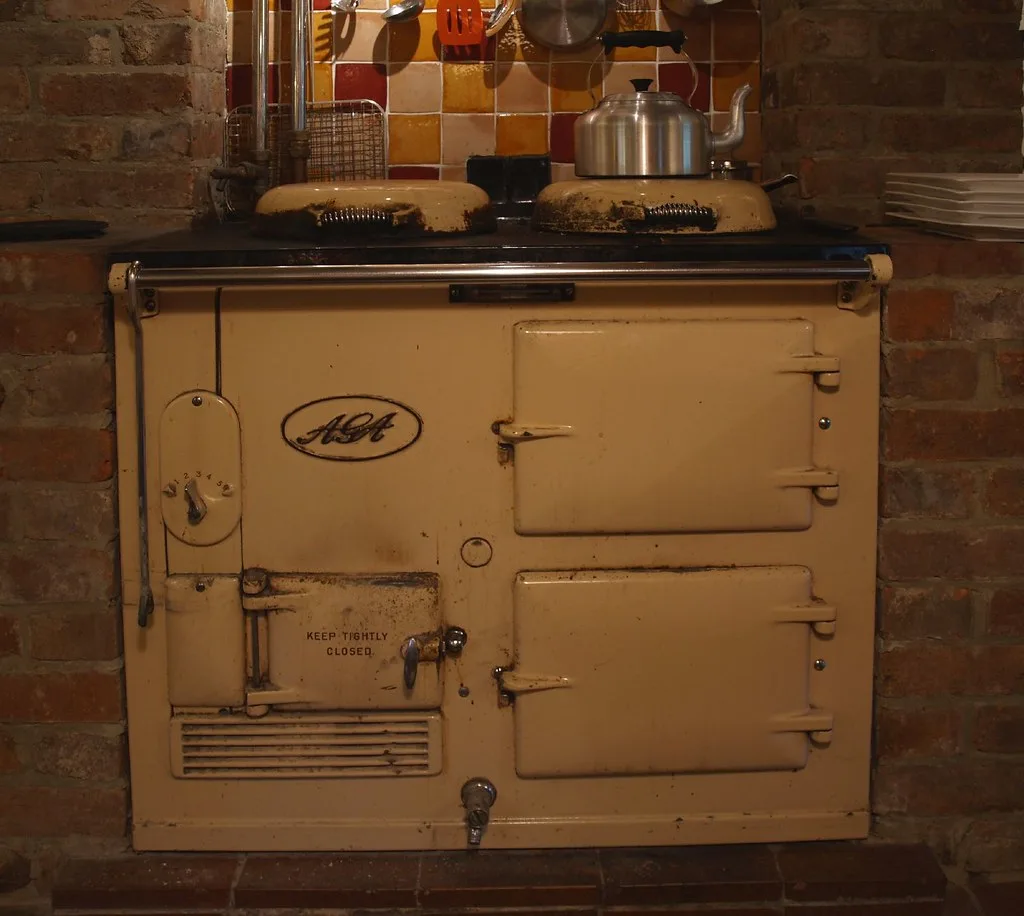
A reconditioned Aga can be a good buy, but the word “reconditioned” covers everything from a full strip-down and rebuild by a specialist to a cooker that has been wiped over and photographed in a barn. AGA itself describes reconditioning as a major strip-down and rebuild, and warns that the result may be over 30 years old and built from parts of several different cookers. That does not make it a bad buy. It means the questions you ask the seller matter more than the colour of the enamel.
These are the checks we would run before handing over any money, in the order they tend to rule a cooker out.
1. Read the model plate and get the serial number
Every Aga carries a data plate with the model and serial number. Ask for a photo of it before you travel to see the cooker. The serial number tells a specialist roughly when the cooker was built and what it left the factory as, which lets you check the seller’s story. It also decides what AGA will do for it later: the official AGA Certified Re-Enamelling service only accepts cast-iron cookers made after 1974, and asks for the serial number up front.
If there is no plate, or the seller cannot say what the cooker started life as, treat everything else they tell you with caution.
2. Find out what it runs on now, and what it ran on originally
Older Agas were built for solid fuel, gas or oil, and many have since been converted. A converted cooker is not a problem in itself, but you need to know exactly what was changed and who did it. Ask:
- What fuel did it leave the factory on, and what does it burn now?
- Who carried out the conversion, and is there paperwork?
- For an electric conversion, what kind of supply does it need?
That last question matters because the supply has to exist in your kitchen. A cooker that needs a dedicated circuit is a job for an electrician before the Aga arrives, not after. If you are weighing fuels, our comparison of an electric versus traditional Aga covers how the heat-storage and on-demand models differ day to day.
3. Match the fuel to your house, not the other way round
Gas and oil Agas need a flue. If your kitchen has no chimney or existing flue in the right place, a fuelled cooker becomes a building project. Oil also needs a tank that meets the separation and bunding rules; our page on oil tank regulations sets those out. Current electric AGA models vent into the room and need no external flue, which is why many buyers with no flue end up choosing electric, new or used.
4. Ask who rebuilt it and what was replaced
A proper reconditioning replaces wear parts and checks the castings. Ask for a list: burner or elements, thermostat, insulation, door seals and liners, hotplate lids. A dealer who rebuilt the cooker should be able to tell you this without looking it up. “Fully reconditioned” with no detail behind it is a sales phrase, not a description.
Ask, too, whether the cooker is a single original Aga or assembled from parts. AGA’s own guidance raises this as the main risk with reconditioned units, and a Twyford Cookers director told Ideal Home that buying from an AGA-registered dealer is how you avoid “bits and pieces of many AGA cookers put together”.
5. Look hard at the enamel and the hotplates
On a viewing, check:
- Enamel: chips and crazing on the top plate and front, especially around the hotplate lids and door edges. Small chips are cosmetic; large areas of missing enamel will rust and are expensive to put right.
- Hotplate lids: they should close flat and sit evenly. Dented or warped lids lose heat.
- Hotplates: the cooking surface should be flat. Lay a straight edge across it if you can.
- Doors: they should close firmly without rattling.
- Completeness: shelves, runners, the plain shelf and the roasting tins add up quickly if they are missing.
If the enamel is tired but the cooker is sound, AGA’s re-enamelling service is an option. It replaces the front and top plates with new enamelled ones made at AGA’s Shropshire factory, along with new hotplate lids, doors and a thermometer on a two-oven cooker. Rayburns are excluded. It comes with five years on parts and one year on labour, and it is not cheap, so price it into your sums before you commit.
6. See it running, or get it tested
A heat-storage Aga takes hours to come up to temperature, so you will rarely see one fully hot at a viewing. A reputable dealer will either demonstrate it or offer a warranty that covers it working once installed. Buying a cooker you have never seen lit from a private seller is the riskiest version of this purchase.
7. Check the floor and the route in
Agas are heavy. AGA lists its current three-oven eR7 100 at 370 kg, and older cast-iron three-oven models weigh more. The cooker usually arrives in pieces and is rebuilt in place, but the floor still has to take the full weight, and suspended timber floors may need checking. Measure the route from the van to the kitchen too.
8. Budget for installation and servicing
The purchase price is only part of it. Installation by a specialist, a flue or electrical work, and on gas or oil an annual service by an engineer who knows these cookers all add to the bill. For fuelled cookers, the installer should be Gas Safe registered (gas) or OFTEC registered (oil). Our pages on Aga servicing intervals and Aga running costs per year help you work out what an older cooker will cost to keep.
An older Aga that runs all day, every day, on gas or oil will usually cost more to run than a modern electric model with independently controlled ovens. That gap is the main argument AGA itself makes for buying new.
9. Know your rights: dealer versus private sale
Under the Consumer Rights Act 2015, a cooker bought from a business must be of satisfactory quality, fit for purpose and as described. For second-hand goods, “satisfactory” takes account of age and price, but you still have rights if it fails early. A private seller only has to describe the cooker accurately. Specialist dealers usually add their own warranty on top of your statutory rights; ask how long it lasts and whether it covers parts and labour.
Reconditioned or new?
A reconditioned Aga makes sense when you want the look and the cast-iron cooking, have the flue or electrical supply already, and can buy from a specialist who rebuilt it and stands behind it. A new electric model makes more sense when you have no flue, care about running costs, or want a full manufacturer’s warranty. For the new options, see our AGA eR3 review and AGA eR7 review.
Frequently asked questions
Is a reconditioned Aga worth buying? It can be, if a specialist rebuilt it, you know what fuel it runs on, and your kitchen already has the right flue or electrical supply. It is a poor buy if you have to add a flue, or if nobody can tell you what was replaced.
How can I tell how old an Aga is? Find the data plate and give the serial number to an Aga specialist or dealer. They can date the cooker and confirm its original fuel type. AGA asks for the serial number before quoting for its re-enamelling service.
Can an old gas or oil Aga be converted to electric? Yes. Specialists convert older cookers between fuels, including to electric. Ask exactly what conversion was fitted, who did it, and what electrical supply it needs before you buy.
Can AGA re-enamel an old cooker? Yes, for cast-iron Aga cookers made after 1974, on mainland UK. New enamelled front and top plates are made at the Shropshire factory and fitted by AGA’s engineers. Rayburns are not included.
What rights do I have buying a second-hand Aga? From a business, the Consumer Rights Act 2015 says the cooker must be of satisfactory quality for its age and price, fit for purpose and as described. From a private seller, it only has to match the description.
Do I need a flue for a reconditioned Aga? Gas, oil and solid fuel Agas need one. Current electric AGA models vent into the room and need no flue, which is why electric is the usual choice in kitchens without a chimney.