Aga Cookers
Electric vs Traditional Aga: £25 to £30 a Week, No Service

By the Hill & May team
Updated 2026
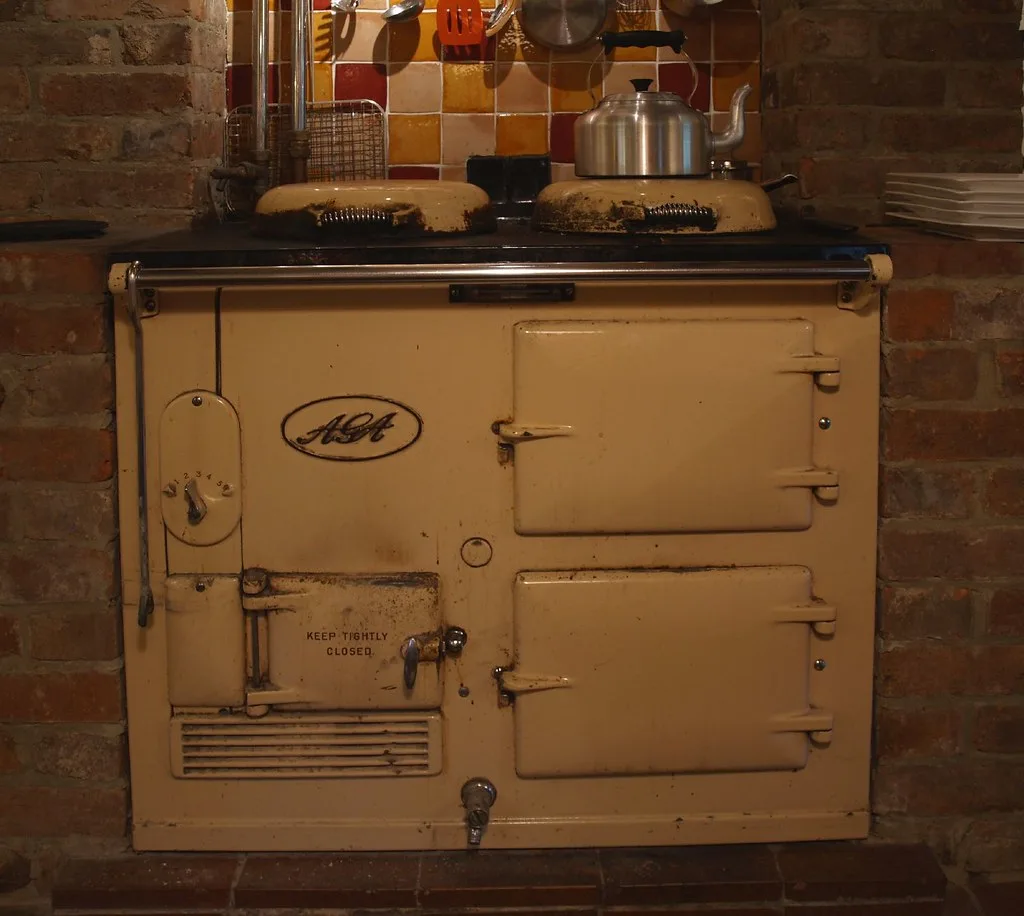
The electric Aga vs traditional Aga question used to be about fuel: gas, oil, solid fuel or a 13-amp electric model. That is no longer the real choice. Every cast-iron AGA sold new today is electric, and the difference that matters is whether the cooker stays on all the time, as the old ones did, or lets you switch ovens and hotplates off when you are not using them.
AGA’s own October 2026 figures put today’s cast-iron cookers at around £25 to £30 a week to run, and say the ability to turn hotplates off can cut running costs by more than 50% compared with older always-on cookers. That is the headline. The trade is warmth, warm-up time and, if you love the old way of life with an Aga, a slightly different rhythm in the kitchen.
What actually changed
| Traditional always-on Aga | Today’s electric Aga | |
|---|---|---|
| Fuel | Gas, oil, solid fuel or electric | Electric only |
| On and off | On 24 hours a day, all year | Ovens and hotplates switch independently (Classic: hotplates only) |
| Hotplates | Always hot | Heat in about 10 to 12 minutes |
| Cast-iron ovens | Always hot | About an hour from cold on the Signature |
| Servicing | Gas yearly, oil twice a year | None required |
| Flue and plinth | Flue for gas, oil and solid fuel | No external flue or concrete plinth needed |
| Typical weekly cost | Higher: AGA says switching hotplates off can cut it by more than half | £25 to £30 a week, by AGA’s figures |
| Kitchen warmth | Constant | Only when the ovens are on (Classic excepted) |
The weekly figure is AGA’s, based on an electricity price of 26.32p per kWh, and it says many homes will spend less. Our Aga running costs by model page breaks that down oven by oven.
The cooking did not change
This is the part sales staff are right about. A modern AGA still cooks with heavy cast-iron ovens that soak up heat and radiate it back from every surface, rather than blowing hot air around. Roasts stay moist, slow cooking in the simmering oven works the same way it always did, and the roasting oven still hits a joint with that high, even heat.
What has been added is choice around it. The AGA Signature Induction and the Compact put an induction hob beside the cast ovens, and the Signature Induction and the ERA add a conventional fan oven. On a traditional Aga, a quick weekday supper meant using the cast iron or owning a second cooker. On these, you can boil pasta on induction without heating any cast iron at all.
The controllable models: Signature, Compact, ERA
These are the cookers people mean by “electric Aga” now. On the AGA Signature (sold until recently as the eR7), every oven and hotplate runs independently, and the roasting and baking ovens have a choice of temperatures set from a touchscreen. The AGA Compact (the old eR3) does the same with two cast ovens and induction in a shallower body that sits in line with standard worktops. The ERA is a 110cm design with two cast ovens, a fan oven, a grill and four-zone induction, all on a touchscreen.
The catch is time. AGA’s user guide for the Signature gives about an hour for the cast ovens to reach temperature from cold, against roughly 10 minutes for a hotplate on simmer and 15 minutes on boil. So the controllable Aga suits people who plan: switch the roasting oven on when you get home, cook an hour later. If you want an oven ready the moment you walk in, you leave it on, and your running cost moves back towards the old figure.
The middle way: AGA Classic
AGA still sells one cooker built around the traditional way of life. The AGA Classic has three cast-iron ovens that are designed to stay on, so it is always ready to cook and keeps the kitchen warm. What has changed is the hotplates, which switch on and off independently, and the four temperature settings, including an eco mode and a slumber setting for when you are out.
That makes the Classic the closest thing to a traditional Aga you can buy new, without the gas bill, flue or service visits. It is the one to look at if the constant warmth is a big part of why you want an Aga in the first place.
Running costs: where the 50% comes from
An old always-on Aga burns fuel all day to keep every oven and both hotplates at full heat, whether or not you cook. Much of that heat warms the room, which some owners value, and some goes up the flue on gas and oil models. On a controllable cooker you pay only for the zones you switch on.
AGA’s own claims, from its running costs page in October 2026:
- Today’s cast-iron cookers typically cost around £25 to £30 a week at 26.32p per kWh.
- Turning off the hotplates when not in use can reduce running costs by more than 50% compared with older AGA cookers.
- Because electric models need no annual service, AGA says the saving is up to £300 a year against a gas AGA and £558 against an oil AGA.
Treat the weekly figure as a guide for normal use, not a promise. Leave a Signature fully on all week and it costs more; run a single oven through summer and it costs far less. If you already have an old electric storage Aga on Economy 7, read our piece on Economy 7 rates for an electric Aga before you switch tariff, because off-peak is not always the cheaper route. For a longer view against a standard cooker, our Aga vs conventional cooker cost calculator runs the numbers over ten years and more.
What you give up
Background warmth. A traditional Aga heats the kitchen all winter and dries the washing on the rail. A controllable model only does that while its ovens are on. In an old farmhouse kitchen with no other heating, that is a real loss, and you may need a radiator you never needed before.
Instant readiness. The always-on Aga is hot at 6am for porridge and at midnight for a hot water bottle kettle. A controllable one is hot if you remembered to switch it on.
The summer question flips. Traditional owners often turned the Aga off for summer and fell back on a second cooker. AGA now pitches its controllable cookers as the answer: one oven on for a light supper, nothing on at all on a hot day.
What you gain
- A bill that follows how much you cook, not the calendar.
- No service visits, no oil deliveries and no oil tank rules to meet.
- No external flue or concrete plinth, which widens where the cooker can go.
- Easier to pair with solar panels or a time-of-use tariff, because you choose when the cast iron heats.
- Induction and fan ovens on some models, so the cast iron is not doing every job.
Should you convert an old Aga instead?
Independent companies convert old gas and oil Agas to electric, and some sell reconditioned cookers that have been converted. That can be a good use of a sound old cooker, but it is not the same as a new electric Aga. AGA’s guidance on reconditioned cookers makes the point directly: a conversion changes the fuel, but the cooker was not engineered that way from the start, and the controls, oven balance and heat-up times can differ from a new model. Ask exactly what has been replaced, which zones you can switch off, how long each takes to heat, who did the electrical work and what warranty you get. AGA says it does not recondition old cookers for resale itself, and new AGAs come with a five-year parts and labour warranty.
If you keep a gas or oil Aga, keep it serviced on time: our guide to how often an Aga should be serviced gives the intervals.
Which one suits you
- You cook most days, love the warmth and want the old way of life: a traditional Aga, or the AGA Classic if you are buying new.
- You cook in bursts, work away from home or want summer flexibility: a Signature, Compact or ERA, and plan an hour for the cast ovens.
- You have a standard fitted kitchen: the Compact, which is shallower than the Classic and Signature and designed to sit with standard units.
- You have an old Aga that works: price a service and a controllable conversion against a new cooker before you assume replacement.
AGA’s own running costs explanation sets out its figures and the tariff they assume.
Frequently asked questions
Is an electric Aga cheaper to run than a traditional one? Usually, yes. AGA says today’s cast-iron electric cookers cost around £25 to £30 a week at 26.32p per kWh, and that turning off the hotplates can cut running costs by more than 50% against older always-on Agas. The saving depends on actually switching zones off; a controllable Aga left fully on all the time costs much more.
Does an electric Aga cook as well as a gas Aga? The cooking method is the same: cast-iron ovens that store heat and radiate it. What differs is readiness. A traditional Aga is always hot, while a controllable electric Aga needs about an hour for the cast ovens to heat from cold.
Can you still buy a new gas or oil Aga? AGA’s current cast-iron collection, the Signature, Classic, Compact, ERA and Mini, is electric. Gas and oil Agas are now found mainly second-hand or already installed in houses.
Does an electric Aga heat the kitchen? Only while its ovens are on. The AGA Classic is designed to stay on and gives constant warmth, as traditional Agas did. The Signature, Compact and ERA heat the room only when you are using them, which suits summer but means less background heat in winter.
Do electric Agas need servicing? AGA says its current cast-iron electric cookers need no annual service, which it puts at a saving of up to £300 a year against a gas Aga and £558 against an oil Aga.
Is it worth converting an old Aga to electric? It can be, if the cooker is sound and the conversion gives you independent control of the ovens. Ask the converter what was replaced, how long each zone takes to heat, who did the electrical work and what warranty applies, and compare that against a new cooker’s five-year warranty.